
Cancer treatment is a powerful and life-changing journey — one that affects every part of your body, mind, and spirit. While much of the focus is often on physical recovery and emotional well-being, skincare after cancer treatment is just as important and often overlooked. Skincare after cancer treatment isn’t just about soothing dry skin — it’s about rebuilding your skin’s health from the inside out. Chemotherapy, radiotherapy, hormone therapy, and other cancer-related medications can all cause noticeable and sometimes distressing changes to the skin. These aren’t just cosmetic concerns; they’re real side effects that impact comfort, confidence, and quality of life.
Your skin, the body’s largest organ, plays a vital role in protecting you. The skin barrier is your first line of defence against irritants and infections — this guide by Healthline explains its role in more detail. But during and after cancer treatment, its barrier function can be compromised. You may experience sensitive skin after cancer, including extreme dryness, peeling, redness, itching, and irritation — often all at once. These symptoms are common in people navigating skincare after cancer treatment, where a tailored approach is key to recovery. Changes in skin texture, pigmentation, and sensitivity to light or temperature can also appear unexpectedly. Many people describe their skin as feeling thinner, more reactive, or simply not like their own.
At The Skin Trainer, we understand how emotionally and physically difficult this can be. That’s why we’ve created this guide — to offer expert post-cancer skin care tips for anyone experiencing changes in their skin during or after treatment. Whether you’re currently undergoing therapy, in remission, or supporting a loved one, this blog will help you better understand what’s happening to your skin and how to approach skincare after cancer treatment gently and effectively.
Our goal is to provide more than just skincare tips; we want to empower you with knowledge, calm your worries, and help you feel more confident in your skin again. Because healing doesn’t stop when treatment ends, and your skin deserves the same care and support as the rest of you.
Sensitive skin after cancer is one of the most common and often overlooked side effects of treatment. Both chemotherapy and radiotherapy impact the body not only on a cellular level but also externally, and the skin often bears the brunt of this disruption.
Chemotherapy can drastically reduce the production of natural oils and compromise the skin’s barrier function. This can leave your skin feeling papery, fragile, and sore to the touch. You may also notice that your skin doesn’t retain moisture the way it used to, no matter how often you apply creams or serums.
Radiotherapy, on the other hand, often causes localised skin changes. These can include redness, swelling, and tenderness in the treated area, sometimes resembling sunburn. Over time, the skin in these zones can darken, become dry or leathery, and be more prone to cracking or peeling.
On top of that, hormonal changes, a weakened immune response, and dehydration from medication or fatigue can make the skin even more reactive than before.
Why it matters: After treatment, your skin can feel unpredictable, less resilient, more fragile, and far more reactive. That’s why building a new skincare routine after cancer treatment is essential, one that focuses on healing, hydration, and barrier protection, is so important. With the right products and a slow, thoughtful approach, you can support your skin’s recovery and start feeling like yourself again.
Start simple. Post-treatment skin requires a minimal and consistent routine using products designed for reactive, sensitive or post-procedure skin. You’ll want to avoid anything with harsh active ingredients, fragrances, or exfoliating acids until the skin has rebuilt its barrier function.
Here are your non-negotiables:
1. A Gentle, Hydrating Cleanser Use a fragrance-free, sulphate-free cleanser that doesn’t strip the skin. Look for formulas with rice bran oil, oat extract or prebiotics.
2. A Barrier-Repair Moisturiser Skin affected by chemotherapy or radiation is often damaged at the surface. Moisturisers rich in ceramides, omega 3 or antioxidants help rebuild the barrier and retain moisture.
3. SPF 30+ Daily Post-treatment skin is more prone to sun sensitivity and pigmentation. A mineral-based sunscreen with zinc oxide or titanium dioxide is ideal for sensitive skin.
4. Hydrating Mist or Serum (Optional) If tolerated, add a calming serum or mist containing ingredients like panthenol, green tea or vitamin E. Always patch test new products first.
Products used at The Skin Trainer are dermatologist-approved and suitable for oncology-safe facials, meaning they won’t exacerbate sensitivity or compromise your healing.
When your skin is recovering from cancer treatment, it becomes more delicate and reactive. Harsh ingredients that may not have affected you before can now lead to redness, dryness, or irritation. Here are the top ingredients to avoid, and why:
Tip: Look for products labelled as hypoallergenic, fragrance-free, and tested on sensitive skin. Ingredients like ceramides, panthenol, rice bran oil, and colloidal oatmeal are far safer and support healing.
One of the most supportive ways to care for sensitive skin after cancer is through gentle, specialist facials. At The Skin Trainer, our Oncology-Safe Treatments are specifically designed for people currently undergoing or recovering from cancer treatment. These sessions prioritise comfort, healing and emotional wellbeing, while using products approved for sensitive and compromised skin.
Treatments may include:
Each session is adapted to the client’s unique needs and comfort level, with plenty of time for consultation and guidance.
Skincare is only one part of the picture. Supporting your skin from within and adapting your environment can significantly reduce sensitivity and speed up recovery.
If your skin continues to worsen, becomes painful, or shows signs of infection (e.g., pus, persistent redness, swelling), always speak to your oncology team or GP. Never attempt to self-treat broken or infected skin.
However, if you’re seeking supportive care, emotional healing, and practical skin advice after treatment, clinics like The Skin Trainer offer a safe space to rebuild confidence in your skin.
Founded by skin health expert Jodi Holland, The Skin Trainer is a safe haven for anyone navigating skin challenges during or after cancer. With over 25 years of experience and a focus on one-to-one, private care, every treatment is tailored with empathy, education, and evidence-based methods.
Our clinic is:
We don’t just treat the skin, we support the whole person.
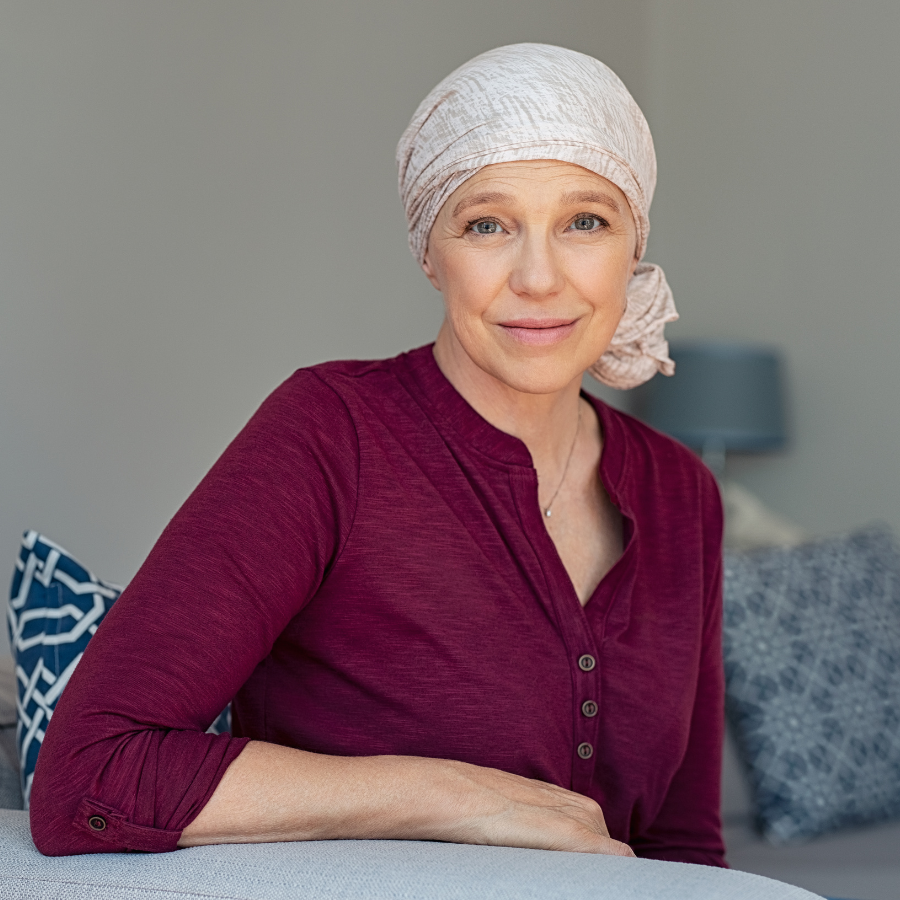
If you’re struggling with sensitive skin after cancer and want personalised advice, soothing treatment and a calm environment to heal, we’re here for you.
Click here to book a consultation or visit our Oncology Safe Treatments page for more information.
Because you deserve to feel confident, radiant and supported in every stage of your skin journey.

